
If you’re reading this, chances are you’re a Japan travel addict. And the stages of addiction will sound very familiar.
On your very first visit to Japan, you probably hit up one (or more) stops along the Golden Route: Tokyo, Kyoto and Osaka. You ate your body weight in sushi, spent more than you care to admit on snacks at Don Quijote and basics at Uniqlo, and returned home plotting your next trip.
Then came Japan trips number two, three, four… you get the idea. Suddenly, you realise you’ve made a dozen jaunts to Japan, and the question becomes: “Where haven’t I been?”
That may explain why Singaporean travellers are increasingly looking beyond Japan’s major cities and familiar tourist hotspots. In 2025, a record 726,200 visitors from Singapore travelled to Japan, up 5.1 per cent from the previous year.
The Japan National Tourism Organization (JNTO) notes that Singapore has a high proportion of repeat visitors. While the Kanto, Chubu and Kinki regions remain popular, Hokkaido and Kyushu are also attracting considerable interest.
Travellers are also becoming more curious about Japan’s lesser-known destinations. In JNTO surveys conducted in 2025, Singaporeans identified prefectures like Nagasaki, Okayama, Saga, Shimane, and Yamaguchi “underrated”.
Japan is also encouraging international visitors to explore beyond its most crowded destinations. Its 2026 tourism strategy places greater emphasis on attracting travellers to regional areas, particularly repeat visitors – a group that includes many Singaporeans.
The question is, are Singaporeans ready to go “country”? While there is no readily available official data showing how many are venturing into rural or remote parts of Japan, anecdotal evidence suggests that interest is growing.
Paul Christie, 64, CEO of walking tour operator Walk Japan, has had a front-row seat to the evolution of tourism in Japan. The British national has been based in rural Kyushu since 2002 and has spent nearly four decades exploring the country.

His company offers guided and self-guided walking tours through lesser-known parts of Japan, giving him a perspective on how Singaporeans’ travel preferences are evolving.
“Singaporeans are sophisticated travellers to Japan, and many have visited several times,” he told CNA Luxury via email. “Increasingly, the question is not whether they will return, but what they will do differently when they do.”
Singaporeans have been joining Walk Japan’s rural tours for decades, with numbers continuing to grow, he added. Some have ventured as far as the Kunisaki Peninsula in Kyushu – Christie’s home turf – a region that remains unfamiliar even to many Japanese travellers.
“I think people are becoming less interested in simply collecting destinations,” he said. “Japan resonates with many Singaporeans. They still want to explore the breadth of Japanese cuisine, for example, but they also want to learn more about the place and the people who live there.”
The average Singaporean, that might not sound like the makings of a great holiday. But Christie believes the slower pace is precisely the appeal.
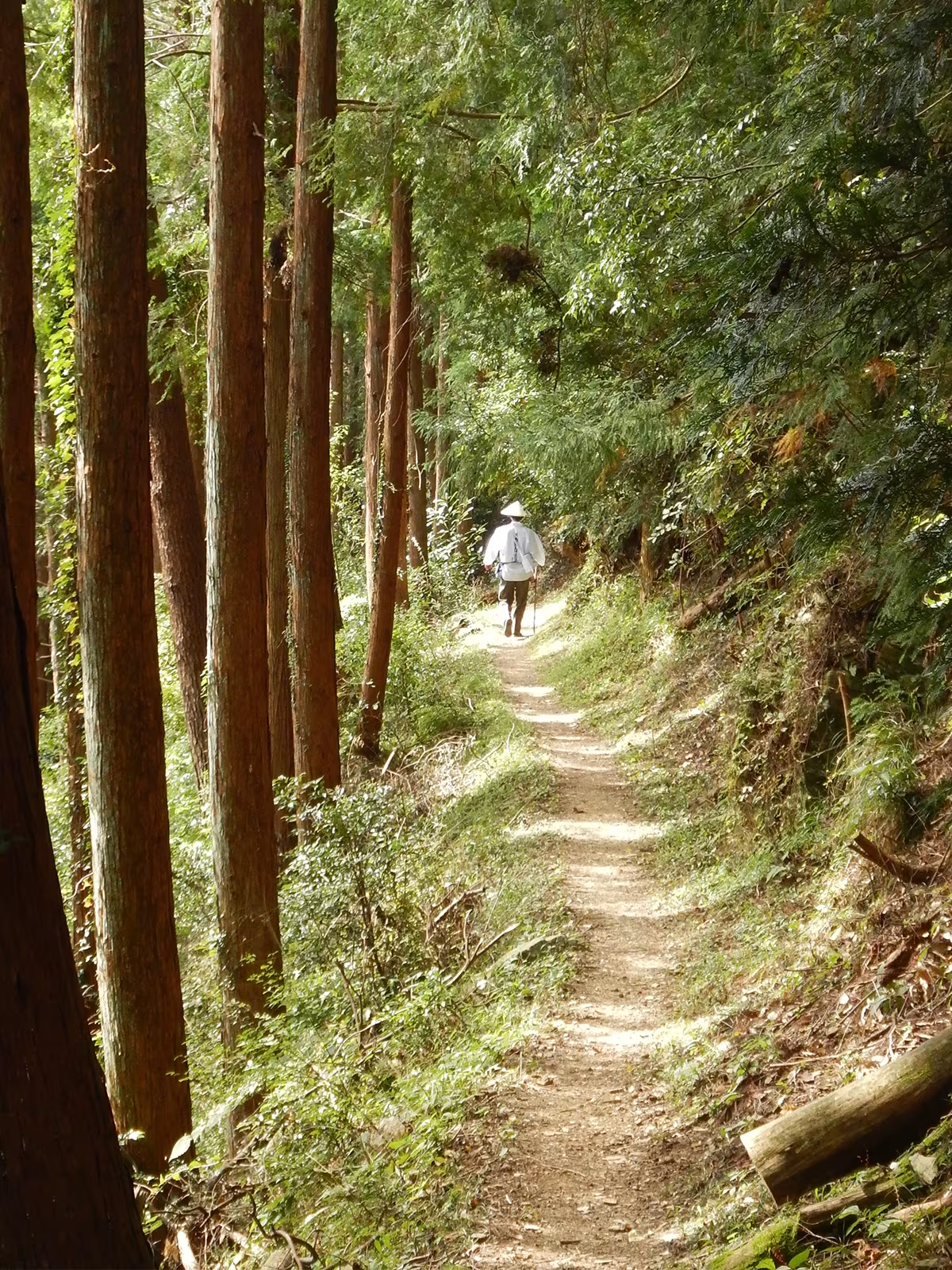
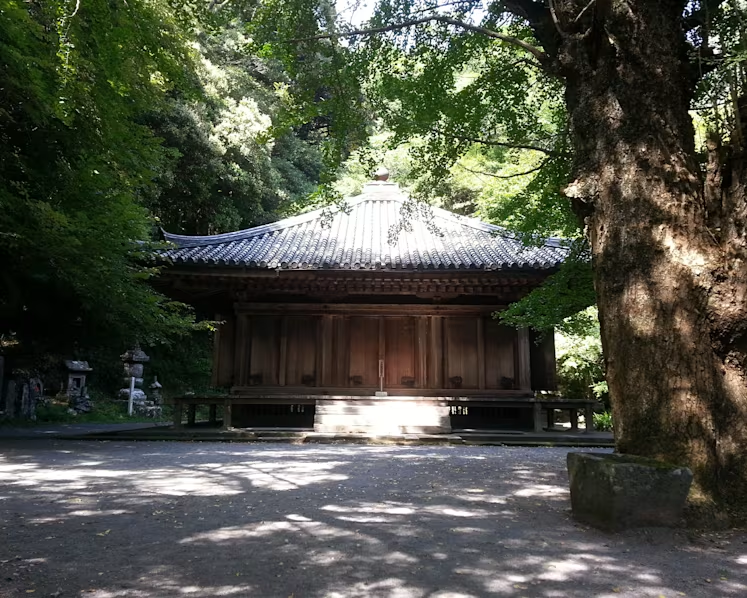
“When you travel slowly, you notice things you would otherwise pass straight through: A small shrine beside the trail, somebody tending a field, the changing landscape between two villages or perhaps a conversation you never expected to have.”
For Singaporeans accustomed to the relentless pace of life back home – or trying to squeeze 56 things into a single day – that change of pace might be just what they need.
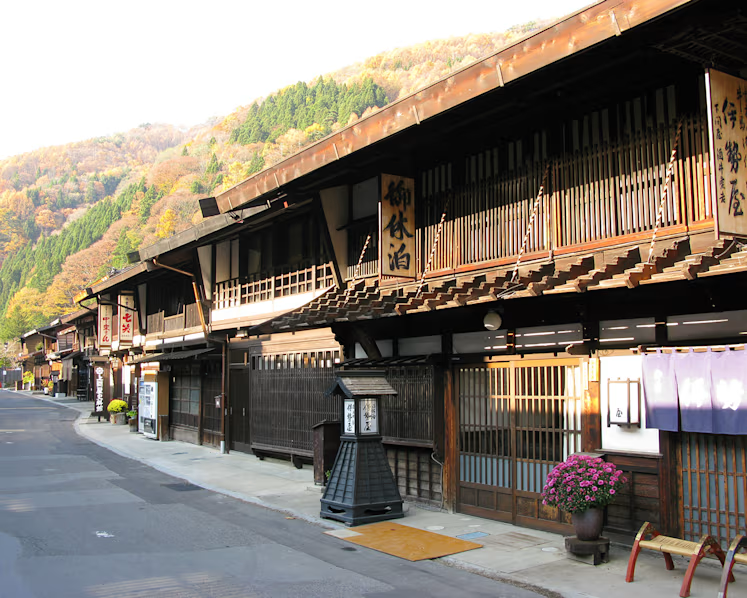
You don’t necessarily need to go full rural hermit, either. Regional Japan offers plenty of experiences between megacities like Tokyo and villages where the train stops only once a day.
Prefectures such as Nagasaki, Okayama, Saga, Shimane and Yamaguchi offer a different side of Japan, with historic sites, centuries-old pottery traditions, feudal-era architecture, samurai heritage, dramatic coastal landscapes and distinctive regional cuisine.
For those willing to venture deeper into the countryside, the reward can be a more immersive experience of Japanese life and culture.
WHAT IS “LUXURY” IN A RURAL SETTING?