

海牙:聯合國最高法院於周四(11月19日)裁定緬甸對羅興亞社群犯下種族滅絕罪,這是一項具有里程碑意義的裁決,距離軍事鎮壓迫使數十萬名羅興亞穆斯林流離失所近十年。
The International Court of Justice (ICJ) said that actions by Myanmar against the Rohingya in 2017 had the “intention to destroy” a substantial part of the Muslim minority population, meeting the legal threshold for genocide.
國際法院(ICJ)表示,緬甸於2017年對羅興亞人的行動具有「毀滅」相當大比例穆斯林少數民族的意圖,已達種族滅絕的法定門檻。
The decision, seven years after the case was filed by predominantly Muslim Gambia, marked only the fourth time since the Nazi Holocaust that an international court ruled that the legal threshold to prove genocide had been met.
這項裁決距離以穆斯林為主的甘比亞於七年前提起的案件已有七年;自納粹大屠殺以來,國際法院僅第四次裁定已滿足證明種族滅絕的法定門檻。
“The court finds that Myanmar’s security forces killed thousands of Rohingya civilians, perpetrated widespread acts of sexual violence as well as acts of extreme violence against children and attacked fleeing Rohingya as they sought to flee in large numbers to Bangladesh,” presiding judge Yuji Iwasawa said.
主持法官岩澤裕二說:「法院認為緬甸安全部隊殺害數以千計的羅興亞平民,廣泛實施性暴力行為,以及對兒童施以極端暴力,並在大批羅興亞人逃往孟加拉國的過程中對他們進行攻擊。」
Myanmar must allow the safe return of the Rohingya Muslim minority to their place of residence and allow reunification of families, the judge said. It also has to investigate individuals suspected of having committed acts of genocide and to punish them where warranted.
法官表示,緬甸必須允許羅興亞穆斯林少數群體安全返回居住地,促成家庭團聚;同時,必須調查疑涉犯下種族滅絕罪的人士,並在有需要時予以懲處。
“Myanmar is under an obligation to compensate the Rohingya group and its members for the damage caused by the violations of its obligations … in so far as such damage is not made good by restitution,” said Iwasawa.
「緬甸有義務就其違反義務所造成的損害向羅興亞群體及其成員作出賠償……若此等損害尚未能以賠償形式彌補,則另行處理。」岩澤說。
Genocide has rarely been established in international courts, largely because prosecutors must prove that there was a specific intent to destroy, in whole or in part, a national, ethnic, racial or religious group.
在國際法院中很少能確定種族滅絕,主要原因是檢方需證明存在具體毀滅某個國家、族裔、種族或宗教群體的明確意圖,無論是全部或部分。
The Gambia launched the case in November 2019 “as a nation that has itself sought justice in the aftermath of grave abuses” – a reference to the 1994-2017 rule of dictator Yahya Jammeh.
「甘比亞於2019年11月提起此案,作為一個『在嚴重濫權之後仍追求公義的國家』——指的是1994-2017年獨裁者葉海璦·占梅統治期間。」
“This is a historic day for international justice,” President Adama Barrow’s office said in a statement following the ICJ’s ruling.
「這是國際司法的一個歷史性日子,」巴羅總統辦公室在國際法院裁決後表示。
The Muslim west African nation was supported in its case by the Organisation of Islamic Cooperation, a global intergovernmental body.
該國在訴訟中得到全球政府間組織——伊斯蘭合作組織的支持。
It called on Myanmar to comply “fully and without delay” with the ruling, which ordered repatriation of refugees and compensation.
該組織呼籲緬甸「全面且毫不拖延地」遵守裁決,裁決命令難民回返並進行賠償。
The decision on Thursday is said to have implications far beyond Myanmar, including for South Africa’s case accusing Israel of genocide in Gaza filed in 2023.
The ICJ has never found a state responsible for committing genocide, a crime defined under international law in the aftermath of the Nazi-led Holocaust.
Both Myanmar and Israel have denied allegations of genocide and say their forces have responded legitimately to attacks by armed groups.
以穆斯林為主的西非國家甘比亞於2019年在世界法院——亦稱世界法庭——提出此案,指控緬甸對居於偏遠西部若開邦的羅興亞穆斯林少數族群犯下種族滅絕罪。
緬甸的武裝部隊在2017年發動攻勢,迫使至少73萬名羅興亞人離家,流入鄰國孟加拉,當地人描述其間的屠殺、群體強姦與縱火。
聯合國事實調查團結論稱,這場行動包含「種族滅絕行為」。
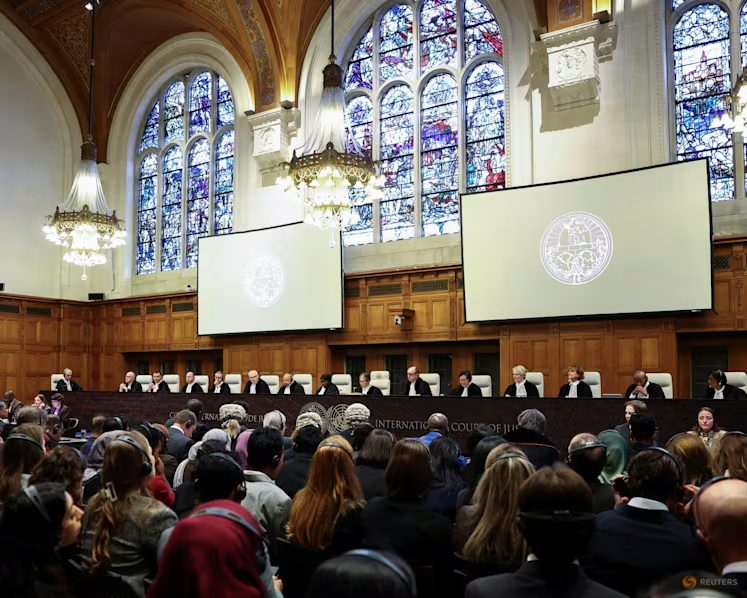
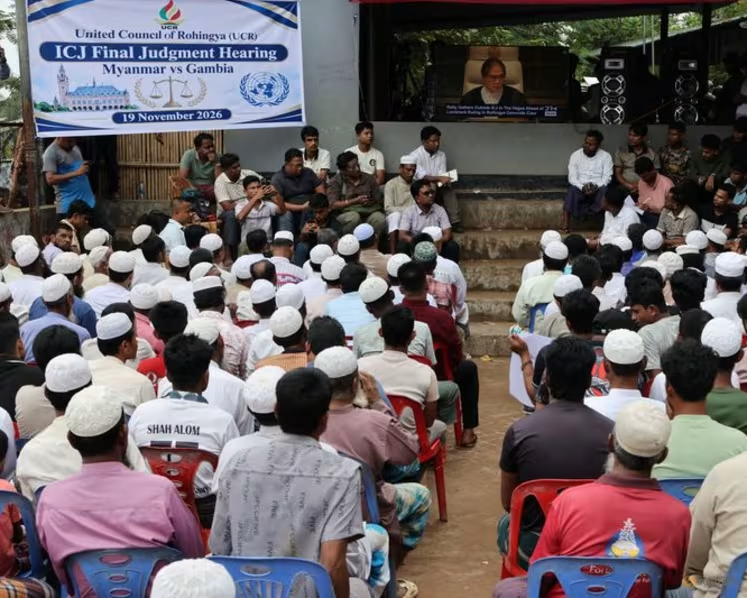
The first major decision on Thursday by the court in more than a decade on the application of the 1948 Genocide Convention is closely watched by legal experts for clues to how the 15-member bench assesses state responsibility in the alleged commission of international crimes.
Genocide has rarely been established in international courts, largely because prosecutors must prove the specific intent to destroy, in whole or in part, a national, ethnic, racial or religious group.
International courts have recognised genocide in only a handful of cases since the Holocaust, including the 1994 Rwanda genocide, the 1995 Srebrenica killings in Bosnia, and atrocities by Cambodia’s Khmer Rouge in the late 1970s.
As part of its case, Gambia has asked the court to order Myanmar to pay reparations and ensure the safe return of Rohingya refugees.
ASEAN’s Five-Point Consensus
Following a 2021 military coup, ASEAN has excluded Myanmar from high-level meetings as it has yet to make meaningful progress on the bloc’s Five-Point Consensus to end hostilities.
During a meeting in April 2021, all ASEAN leaders reached a consensus about the situation in Myanmar.
The five points are:
First, there shall be immediate cessation of violence in Myanmar and all parties shall exercise utmost restraint.
Second, constructive dialogue among all parties concerned shall commence to seek a peaceful solution in the interests of the people.
Third, a special envoy of the ASEAN chair shall facilitate mediation of the dialogue process, with the assistance of the secretary-general of ASEAN.
Fourth, ASEAN shall provide humanitarian assistance through the AHA Centre.
Fifth, the special envoy and delegation shall visit Myanmar to meet with all parties concerned.
ICJ rulings are final but the court has limited means to enforce its decisions.
The ICJ, which settles disputes between states and rules on alleged breaches of international treaties, is distinct from the International Criminal Court, which prosecutes individuals for war crimes, crimes against humanity and genocide and can impose jail terms.
The Rohingya, a predominantly Muslim minority in Myanmar’s western Rakhine state, have faced decades of discrimination, including the denial of citizenship.
Tensions escalated in 2017 after a Rohingya militant group conducted guerrilla-style attacks, prompting the Myanmar army to respond with massive “clearance operations”.
A ruling that Myanmar committed genocide would intensify international pressure on its leader Min Aung Hlaing, who headed the military during the 2016-2017 attacks and later overthrew the elected government of Aung San Suu Kyi in a 2021 coup, triggering a civil war that has left tens of thousands dead.