

KATHMANDU:災難留下的傷痕,從一個山谷延伸到另一個山谷。
距離尼泊爾北部及中部於8月26日發生的嚴重水災已超過一週,仍然沒有公路可以抵達被洪水摧毀的高海拔村落。此刻,只有直升機能完成任務。
要沿著洪水的主路線特里舒里河北上,這意味著要沿著繁忙的空中航道飛行。
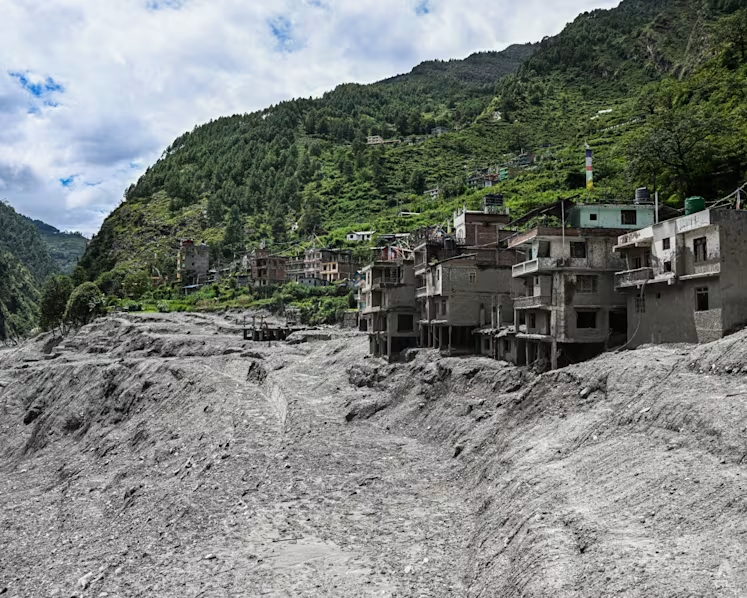
從空中望去,災情規模令人震撼:一公里接一公里,幾乎所有的建築都被抹去。
沿著河的每個折彎,下一座城鎮就變成碎片般的樣子。再下一座。
官方在周四(9月3日)公布的最新死傷數字為1,252人,仍有4,216人下落不明。這些數字仍在上升。
這是尼泊爾一條重要的水電走廊,但現在已被撕裂。
陡峭的坡度和強勁的喜馬拉雅河流吸引了數十億美元的投資。項目、通道和工人營地沿河岸堆貼,將大量基礎設施直接置於洪水的軌跡之中。
From above, what appear to be strips of crumpled concrete are the epicentre of ongoing efforts underway at tunnel projects along the Trishuli to save potentially hundreds of workers who may still be alive underground.
救援人手已經所剩時間不多。
在 Timure 上方,屍體仍從泥濘中被撈出,然後被綁好裝上直升機,送返山谷底部。
距離中國邊界不遠,距離加德滿都北部約60公里,這裡幾乎看不出曾經存在過的村莊痕跡。
這個小鎮曾圍繞 Rasuwagadhi 快速發展,尼泊爾通往中國最繁忙的陸路貿易路線,設有海關區與幹港,處理來自西藏的貨物。洪水摧毀了該基礎設施,切斷了邊境口岸。
再向南約15公里,靠近邊境的 Syabru Besi 村落,在上週之前,是 Langtang 徒步區的入口,也是前往西藏的朝聖者與旅客的中轉點。
而今,直升機不斷飛入飛出,為尼泊爾和印度的地面救援隊提供支援。
這條河濱曾經有大約250間民居與旅館。如今有大約80%已無影無蹤。
一名尼泊爾陸軍官員表示,約有200名當地人死亡或失蹤,另有400人失蹤,當中也有外國人。
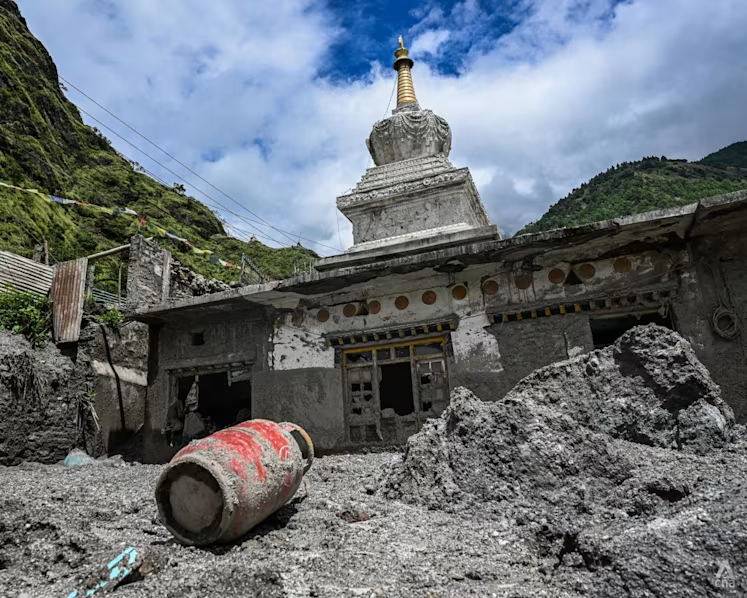
一座佛教神龕標誌着路盡頭。它部分倖存;裡面的經文與佛像被泥濘沾染。
Beyond it, there is nothing but a muddy bank.
The power of the torrent is clear in this place. The landscape has been warped and reshaped.
Scientists believe the disaster began high in the mountains near the Nepal-Tibet border, where collapsing ice and rock unleashed a massive flood that gathered debris as it travelled downstream. Investigations into the precise chain of events are continuing.
Across the river, another operation was ongoing at the mouth of a hydropower tunnel. The Nepali army later confirmed that two bodies were pulled out of that site on Thursday.
Nearly 900 hydropower workers remain unaccounted for following the flood, with authorities believing there could be pockets of survivors protected underground.
At several projects, rescuers believe workers may have reached sections of the tunnels that remained dry, potentially with access to air, water and emergency supplies.
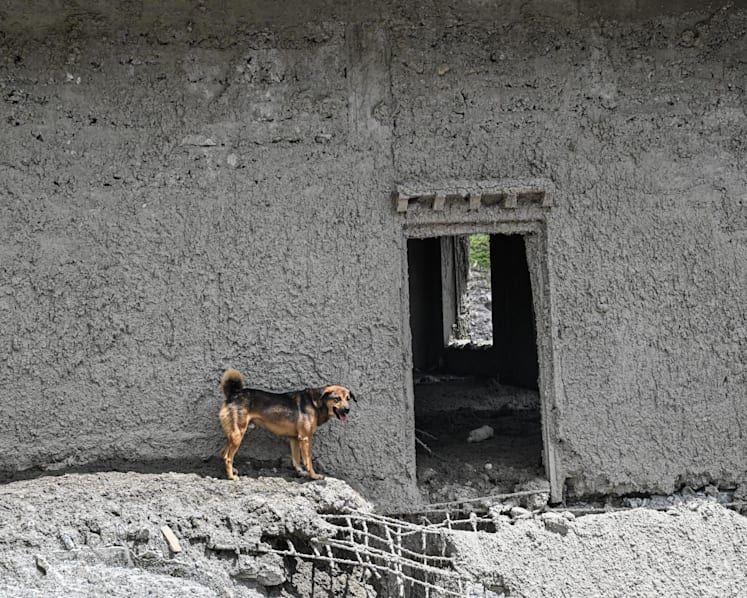
The challenge is the sheer amount of debris. Tunnel entrances are buried under mud, boulders and water.
One army official told CNA that holes were being dug into access points large enough to drop in an excavator that can be used to clear the blockages.
Away from the tunnels, hopes of finding survivors are diminishing. Authorities have insisted that they will nevertheless continue searching and recovering bodies.
A particularly grim issue is identification: of the 1,252 bodies recovered, only 95 had been identified as of Thursday.
Many bodies have been badly damaged or recovered far from where victims disappeared, leaving authorities reliant on DNA and other forensic identification.
Around 4,000 displaced people are now living in temporary centres. Food is reaching many of them, but the humanitarian challenge is changing.
United Nations aid agency UNICEF says damaged water and sanitation systems and crowded shelters are increasing the risk of disease, with at least 22,000 children urgently needing safe water and hygiene support.
Even when roads are restored and the search operations end, returning home will not be possible for everyone.
The dark waters still rage along this valley. They have brought much debris and death to communities that have lost so much and may never rebuild.